
There are different diy lash clusters on the market. Such as PBT lash clusters, faux mink lash clusters, synthetic fiber cluster lashes, or silk diy lash extensions. That said, the finish and feel of each type does differ, and those differences are worth understanding — especially if you're building your first diy lash extension kit.
The Three Main Materials of DIY Lash Clusters
PBT Cluster Lashes — The One I Keep Buying
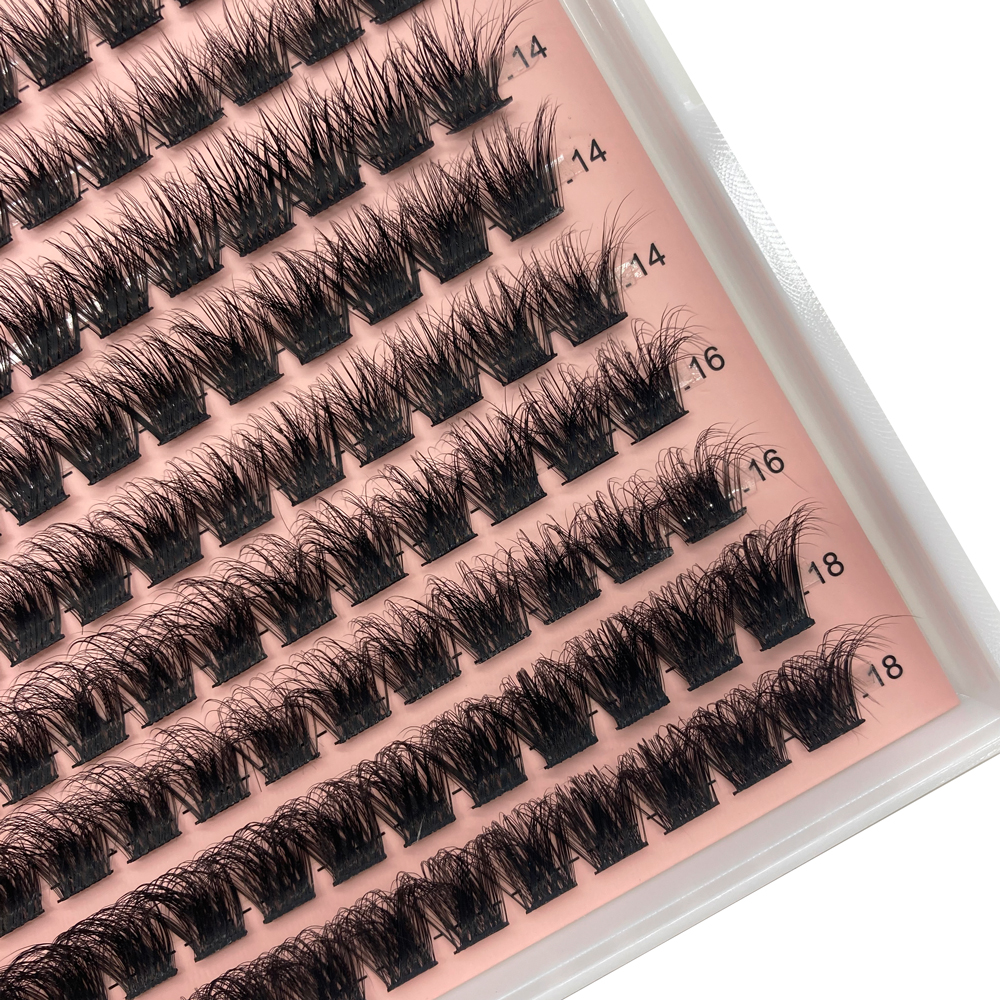
PBT is the most common material for diy lash clusters. The fibers are ultra-soft, lightweight, and have a matte black finish that looks genuinely like human lashes — not shiny, not plasticky, just... lash-colored. I wore PBT diy eyelash extensions from 7 AM to midnight once and forgot they were there. No itchiness, no awareness of something sitting on my lash line, no urge to touch them.
If you're buying your first set of diy lash clusters, make it PBT. It's forgiving, comfortable, and realistic. You can find budget options and premium ones, but the base material is consistently good across price points.
Faux Mink Cluster Lashes — Softer Than Silk, Not Quite PBT
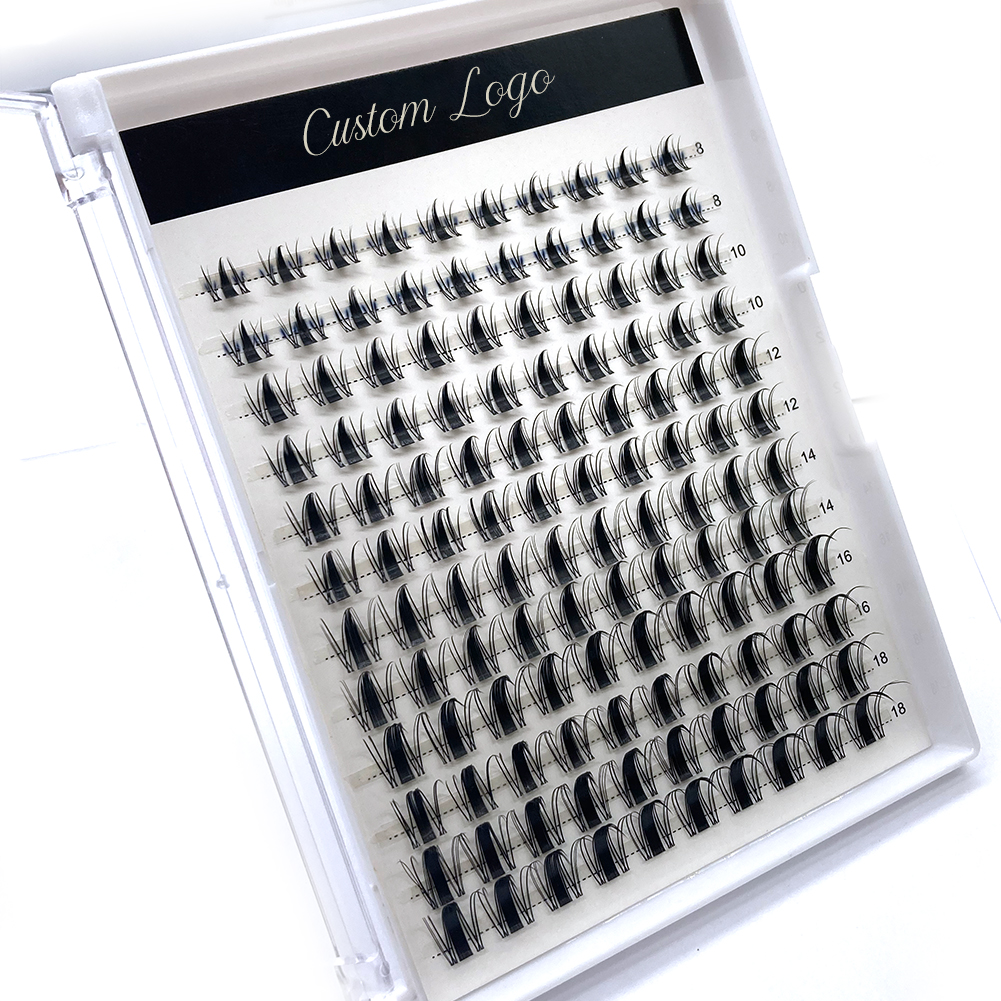
Faux mink diy lash clusters sits between PBT and silk in terms of softness. The fibers have a slight taper at the tip that gives a more refined, natural-looking point — similar to what real mink fur would look like, minus the ethical issues. It's a solid choice if you want something slightly more tapered than standard PBT but can't justify the price jump.
I've used faux mink diy lash clusters for event looks where I want the lash tips to look extra delicate. For daily wear, the difference between faux mink diy cluster lash extensions and PBT diy eyelash extensions clusters is minimal enough that I don't think it's worth the cost difference.
Silk — Budget Option, With Trade-offs

Silk diy cluster eyelash extensions are typically the thickest and stiffest of the three. They hold their curl well (which is a plus) but have a noticeable shine that can look plastic under natural light. I've worn silk lash clusters exactly once — on a day I forgot my PBT diy lash clusters set at home and grabbed whatever the corner store had. They weren't terrible, but I was aware of them all day in a way I never am with PBT lash clusters. There's a slight stiffness, a faint weight, and that shine catches light differently than your natural lashes.
If you're on a tight budget, silk works. It's functional. But if you have options, reach for PBT diy lash clusters first.
Now Let's Talk Cluster Lash Bands — This is Where Beginners Actually Trip Up
I used to think all lash bands were basically the same. They're not. The band type affects how easy the clusters are to pick up, how well they stick, how visible the base is, and how long the whole application takes you.
Cotton Thread Band
Cotton thread band lashes have a visible, thicker black base made from woven soft cotton threads. That black base doubles as built-in eyeliner — you get a defined lash line without having to draw one separately. For anyone who struggles with liquid liner (hand raised), this is a real convenience.
The other advantage: cotton absorbs lash glue effectively, which means strong adhesion and less chance of clusters sliding around. When I was learning, cotton thread bands were the most forgiving. Even if my glue was slightly too wet or I placed the cluster at a slightly wrong angle, the cotton held onto it long enough for me to adjust.
Downside? The band is visible up close. If you're going for a completely invisible, "are those even real?" look, cotton thread might feel too obvious. But for most everyday situations, nobody is examining your lash line from three inches away.
Heat Bond Band
Heat bond band lashes can be manufactured with ultra-thin — almost flat bands — which means they sit flush against your lash line and blend in with your natural lashes. This is the heat bond lashes I use when I want the application to look as invisible as possible.
But the smooth surface doesn't absorb glue the way cotton does. You use less product (efficient), but you also need to be more precise about timing. If you apply while the glue is still wet and slick, the cluster will slide. You have to wait those few extra seconds for the glue to become tacky — and for a beginner, those seconds feel like an eternity when you're holding tweezers with a tiny lash cluster hovering near your eye.
Once you've gotten the hang of glue consistency and timing, heat bond bands become your best friend. They're fast, clean, and disappear into your lash line. I'd say they're the top choice for at home eyelash extensions once you've moved past the beginner stage.
Clear Band
Clear bands are nearly invisible and don't create any lifting effect on the eyelid. If you have well-defined double eyelids and want a subtle, low-profile lash, clear bands are a solid option.
My experience with clear bands has been mixed. They look great when applied well, but they're harder to see during application (obviously — they're clear), which makes placement trickier. I'd recommend them if you already feel confident with cluster placement and want something minimal for a no-makeup day.
The short version: Material matters less than you think — just buy PBT diy lash clusters. Band choice matters more than you think — start with cotton thread if you're new, switch to heat bond once you're comfortable. That's it.